Couples planning weddings in 2027 are looking for more than a beautiful room. For those exploring historic wedding venues in Miami, the goal is often to find a space with personality, architectural character and a sense of place that makes the celebration feel truly distinctive.
That shift is putting historic wedding venues in Miami and across the country back in the spotlight.
The Knot recently named historic venues among its major wedding venue trends for 2027, pointing specifically to the appeal of spaces with architectural character. Its research also found that approximately 11% to 12% of couples held their ceremony or reception at a historic building or home.
For couples planning a Miami wedding, choosing a historic venue offers an opportunity to combine timeless architecture with completely modern event design.
The key is finding a historic space that provides character without limiting creativity.
At The Historic Alfred I. duPont Building, couples get both.
Built in 1939 in the heart of Downtown Miami, the building combines original Depression Moderne architecture with flexible ballroom spaces that can be transformed around each couple’s individual vision.

Why Historic Wedding Venues in Miami Are Trending for 2027
Wedding design has become increasingly personal.
Instead of choosing a ballroom and trying to completely reinvent it, many couples are looking for venues that already contribute something meaningful to the celebration.
Historic architecture can provide that foundation.
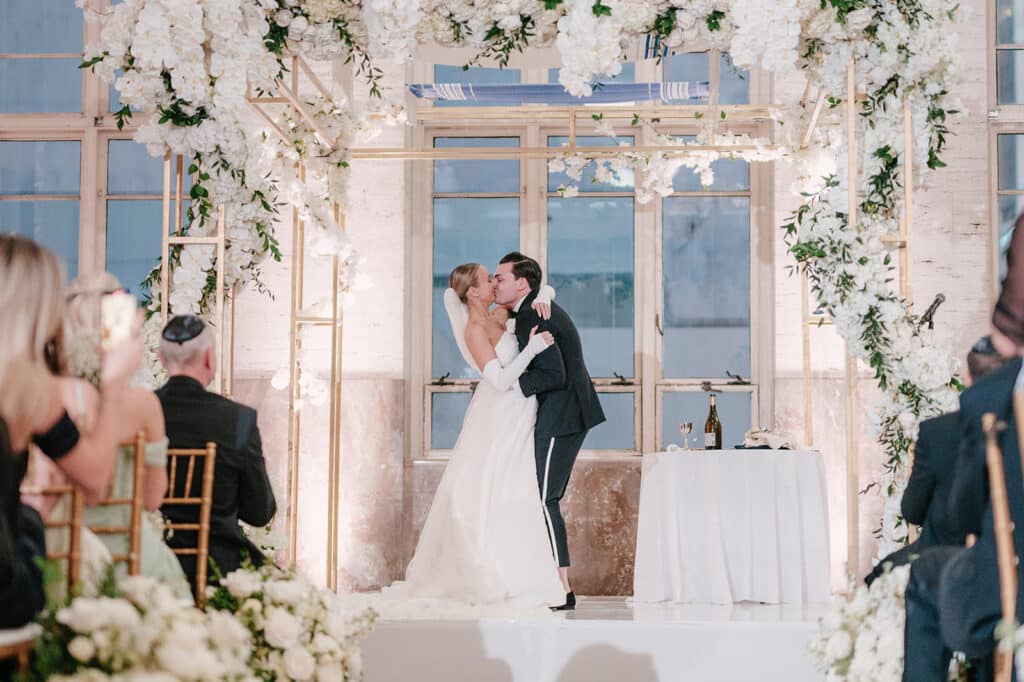
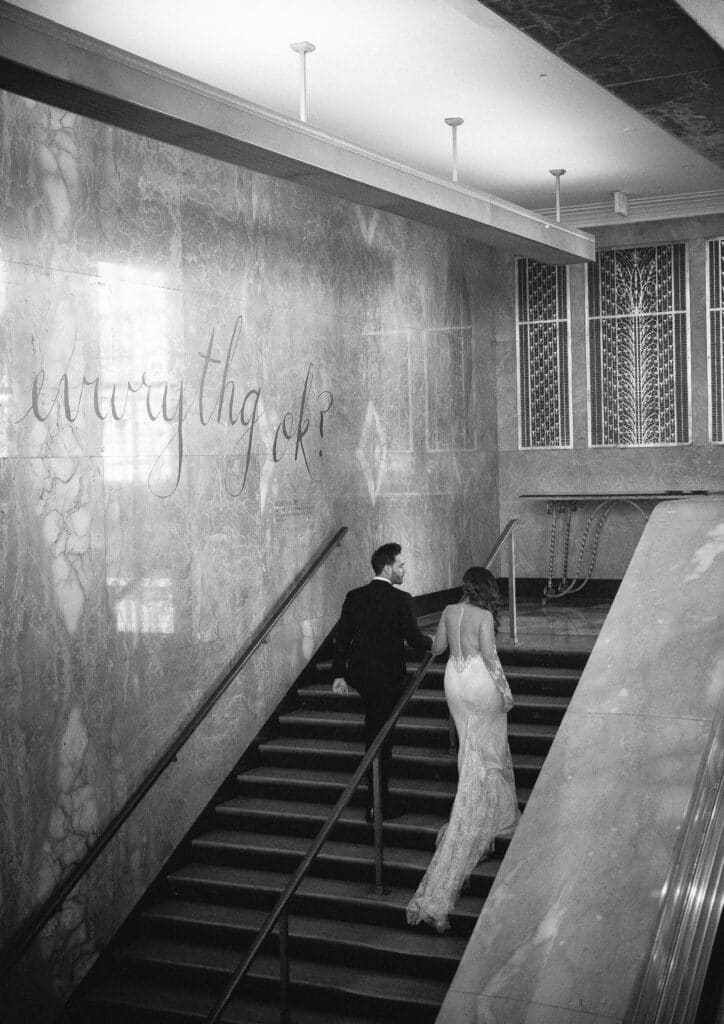
Original stonework, dramatic ceilings, marble, vintage details, grand entrances and unexpected architectural features give a wedding its own visual identity before flowers, linens or lighting are added.
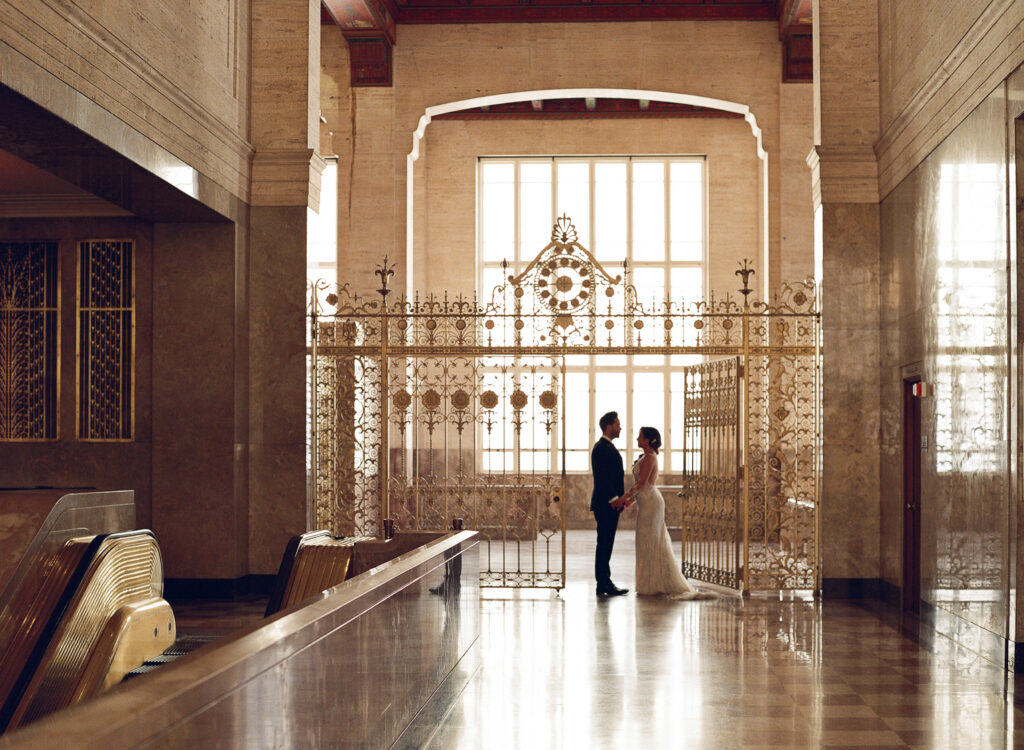
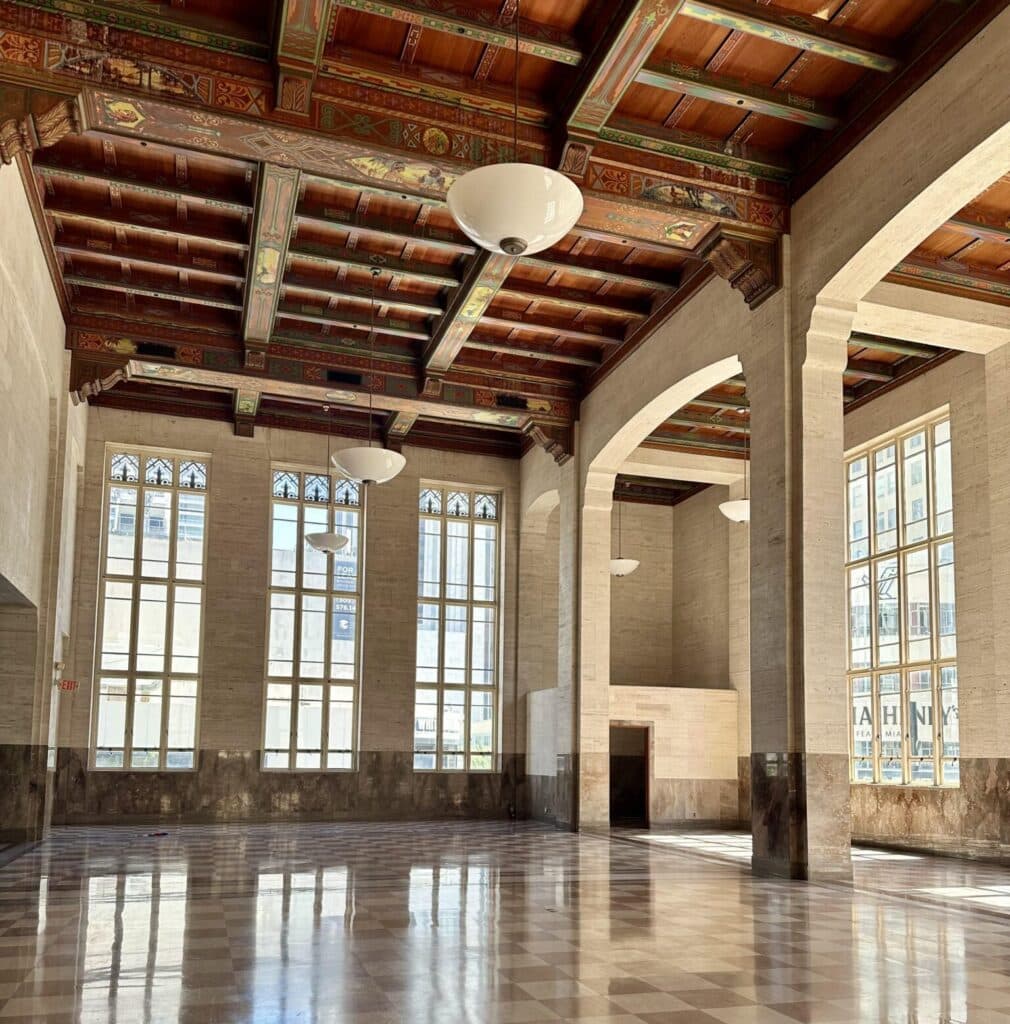
At The Historic Alfred I. duPont Building, many of those original details remain part of the experience today. The 17-story building incorporates Wisconsin limestone, Alabama black granite, Tennessee marble and hand-painted ceiling panels depicting Florida history.
That history provides atmosphere—but it doesn’t dictate the wedding style.
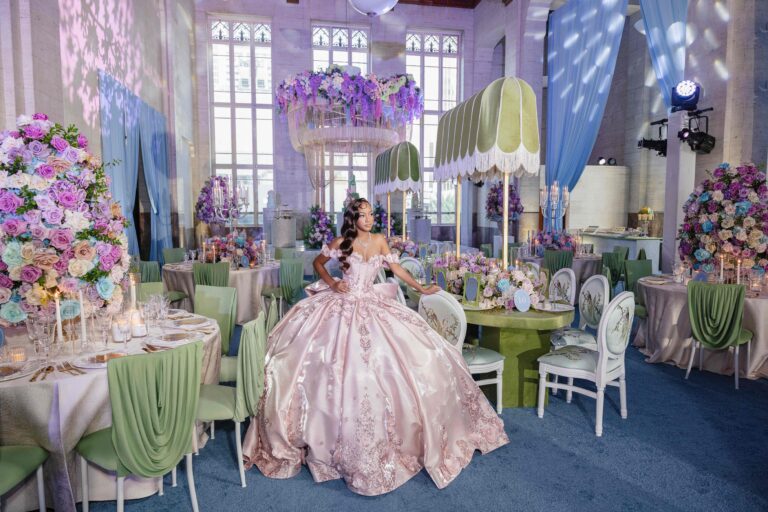
Modern florals, minimalist designs, dramatic lighting, black-tie receptions and colorful celebrations can all look completely different inside the same historic space.
And that balance is increasingly valuable to couples who want their wedding to feel distinctive without being tied to one specific theme.
1. What to Look for in Historic Wedding Venues in Miami
One of the biggest advantages of selecting a historic wedding venue is that the building itself becomes part of the design.
When touring venues, look beyond where tables will go.
Pay attention to the entrance guests will walk through. Look at ceilings, windows, hallways, staircases, flooring and architectural details.
Ask yourself:
Will guests immediately feel like they have arrived somewhere special?
Can the architecture stand on its own without excessive décor?
Will this space still feel distinctive in wedding photographs ten or twenty years from now?
At the duPont Building, the architecture was designed to make an impression long before it became an event venue.
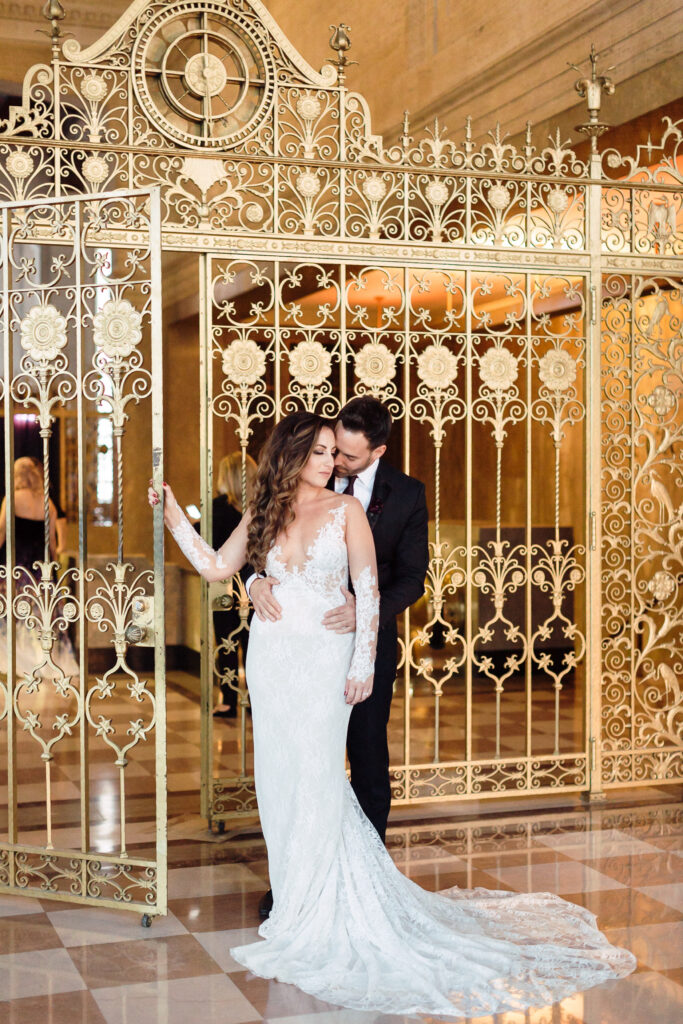
The South Ballroom features 30-foot vaulted ceilings, hand-painted cypress ceilings and custom Art Deco-inspired ironwork. The North Ballroom includes original Diebold vault doors and a 1930s bank teller window—details that simply cannot be recreated inside a newly constructed ballroom.
For couples, those elements become part of the guest experience.
2. Make Sure the Venue Can Still Feel Like You
Historic does not have to mean vintage.
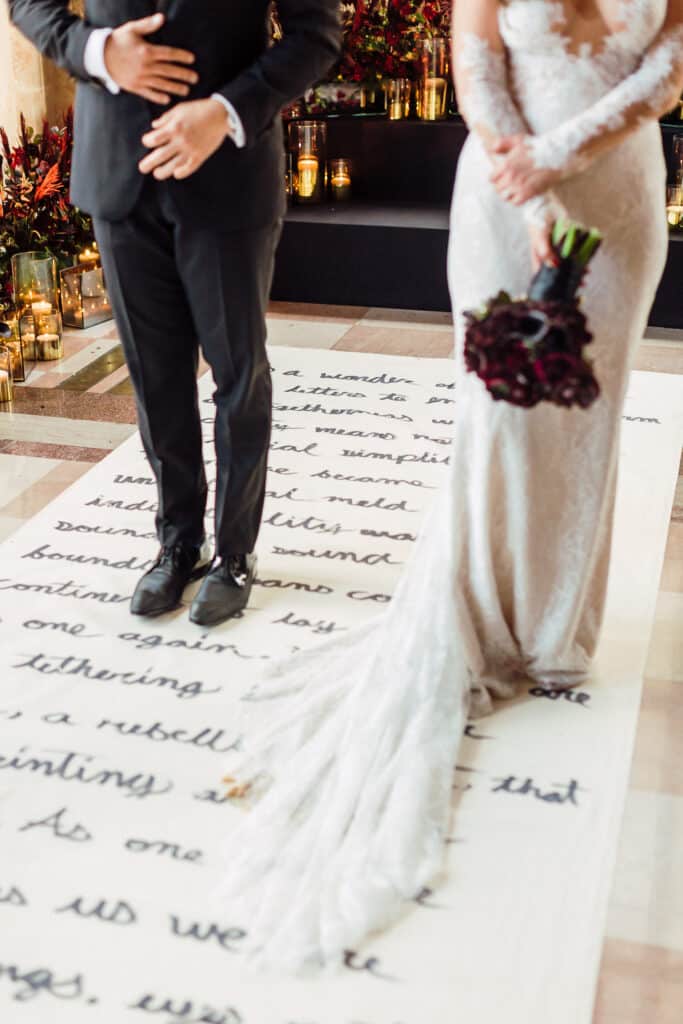
One of the most compelling things about using a historic wedding venue is the contrast between old and new.
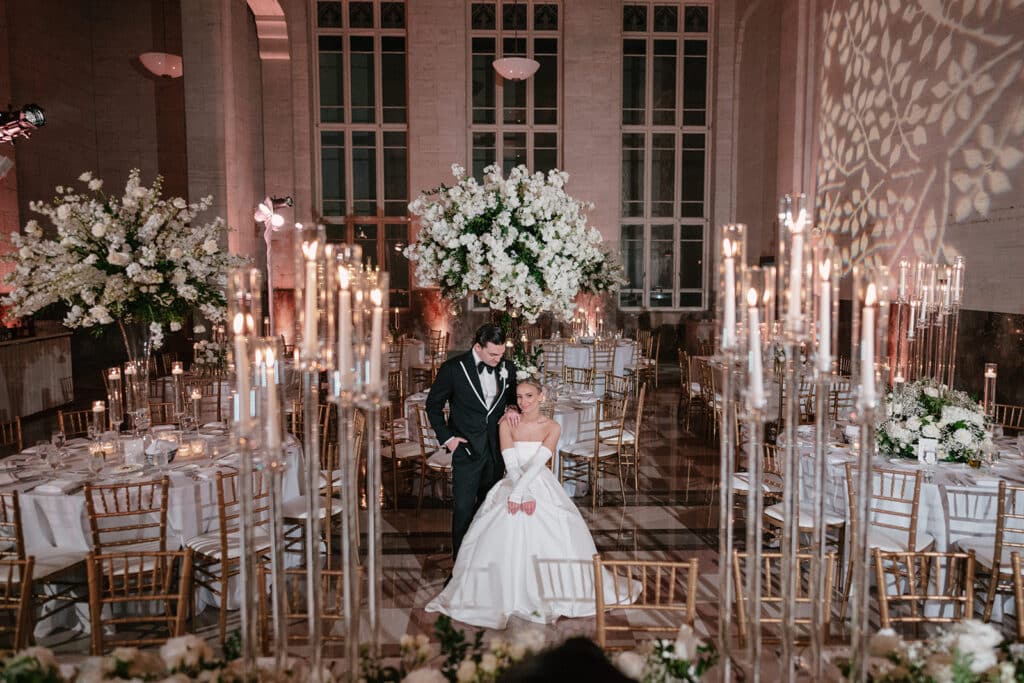
Contemporary furniture can look especially striking against historic marble. Modern florals can transform a 1930s ballroom. Dramatic production and lighting can completely change the mood once the reception begins.
A strong venue should provide character without forcing couples into one aesthetic.
That means looking for a space that can support the wedding you are envisioning—not one that requires you to design around the venue’s limitations.
The Historic Alfred I. duPont Building describes itself as a blank canvas inside a historic landmark, which captures exactly what many modern couples are searching for: recognizable architecture with enough creative freedom to make the celebration their own. DuPont Building
3. Consider How the Entire Wedding Will Flow
It is easy to tour a wedding venue and focus almost entirely on the ceremony.
But your wedding is much more than the ceremony.
Think about the entire guest experience:
Where will guests arrive?
Where will cocktail hour take place?
How will they enter the reception?
Where will dinner happen?
Is there enough room for entertainment and dancing?
Can different portions of the venue create different experiences throughout the evening?
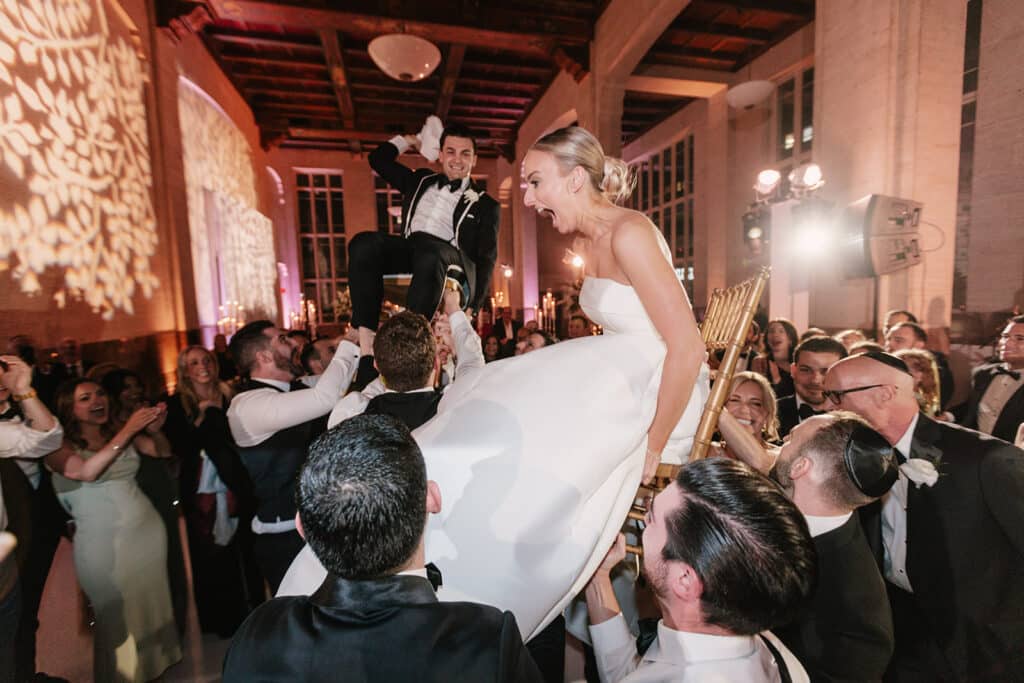
A flexible venue gives your planner more opportunities to build anticipation and create transitions throughout the celebration.
At the duPont Building, the two main ballrooms offer different environments and capacities.
The South Ballroom can accommodate up to 400 seated guests and offers 6,500 square feet of event space. The North Ballroom can accommodate up to 200 seated guests and includes 4,500 square feet along with historic features such as the original bank vault. Depending on the event format, multiple spaces can also be incorporated into the celebration.
That flexibility allows the wedding to feel like an experience rather than a single room being used the same way all night.
4. Think About Wedding Photography Before You Book
Your venue will appear in nearly every photograph from your wedding day.
That makes photography an important consideration before signing a contract.
Look around during your venue tour and consider whether the property provides multiple portrait locations.
Are there dramatic entrances?
Interesting architectural lines?
Staircases?
Large windows?
Historic details?
Areas that would work for editorial portraits as well as traditional family photographs?
Couples are also increasingly drawn to wedding photography that feels editorial and cinematic—another trend The Knot identified for 2027.
A venue with architectural depth gives photographers more opportunities to create those images without requiring the couple to leave the property between the ceremony and reception.
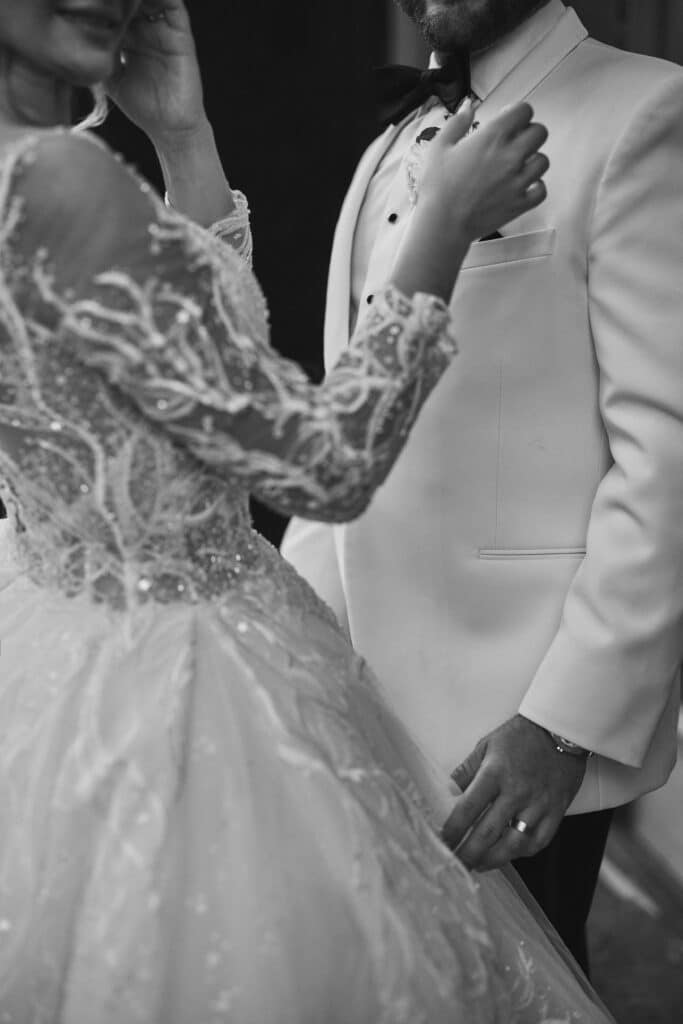
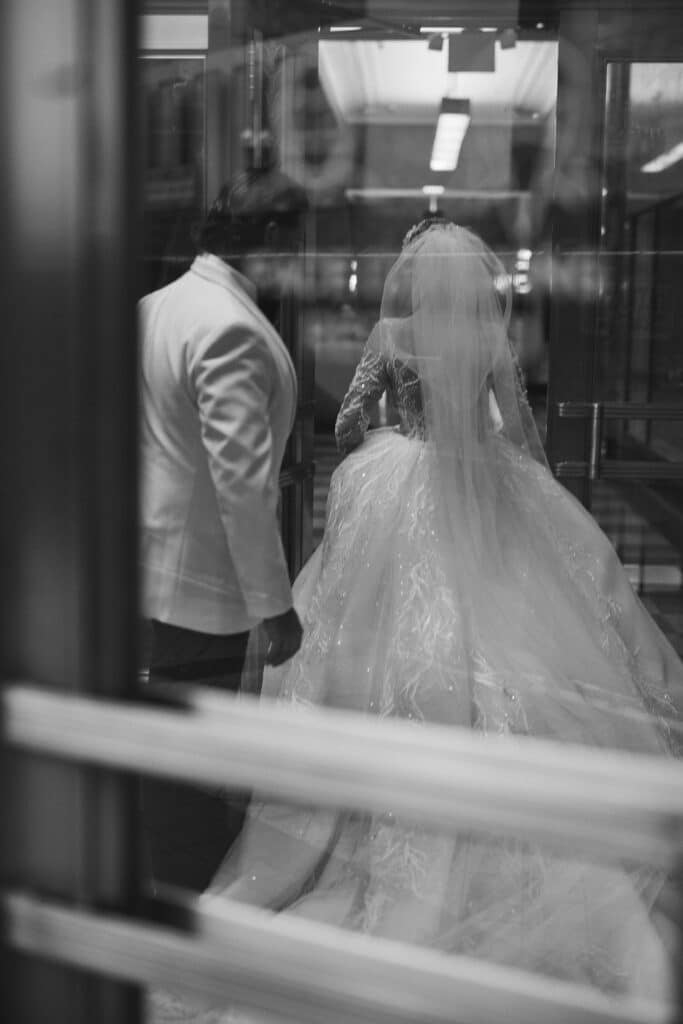
The duPont Building’s marble interiors, historic vault, staircases, architectural details and ballrooms allow photographers to create dramatically different photographs within the same venue.

5. Ask About Creative and Vendor Flexibility
A wedding venue is only one part of the final celebration.
Your planner, florist, entertainment team, lighting and production professionals, caterer, photographer, rentals and other creative partners all contribute to the finished event.
Before booking a venue, find out how much flexibility you will have when assembling that team.
Ask whether:
- Outside vendors are allowed.
- A planner is required.
- There are restrictions on production or installation.
- Entertainment must end at a certain time.
- There are sound restrictions.
- Décor must be selected from specific vendors.
The Historic Alfred I. duPont Building allows couples to bring licensed and insured vendors and requires a full-time certified event planner. The venue also states that it does not impose standard time or sound restrictions.
For couples planning highly personalized weddings, that creative flexibility can be just as important as the appearance of the room.
6. Think About Capacity—But Also How the Room Will Feel
Capacity numbers matter, but the maximum number listed on a website only tells part of the story.
A wedding with 150 guests, for example, may require a completely different layout than an event with 350.
Your tables, stage, dance floor, band, DJ, bars, lounges and floral installations all affect how the ballroom will ultimately feel.
Ask to see photographs from weddings with a guest count similar to yours.
This can help you understand how much space remains for dancing, entertainment and event design once everyone is seated.
The South Ballroom at the duPont Building has hosted seated dinners ranging from approximately 100 to 400 guests depending on the layout, while the North Ballroom has hosted seated dinners ranging from approximately 100 to 200.
Seeing real events at different sizes can help couples and planners determine which configuration makes the most sense.

7. Pay Attention to the Guest Experience
Guests may not remember the exact shade of linen or every flower on the table.
They will remember how the celebration felt.
The experience begins before the ceremony starts.
A dramatic entrance, unexpected architectural detail, beautiful cocktail setting or room reveal can create moments guests remember long after the wedding.
Historic venues naturally have an advantage because guests have something to discover.
At the duPont Building, the original bank vault, teller windows, historic elevators, marble details and distinctive ballroom architecture give guests visual elements to experience throughout the evening rather than simply providing four walls for an event.
That sense of discovery can become part of the celebration itself.
8. Choose a Venue That Will Still Feel Special Years From Now
Wedding trends change.
Color palettes change.
Floral styles change.
Fashion changes.
Great architecture does not.
One of the reasons historic venues work so beautifully for weddings is that they allow couples to layer current design ideas over something timeless.
Ten years from now, the flowers may immediately identify the era in which your wedding took place—and that is part of the fun.
But the venue behind them can still feel significant.
A historic building gives your wedding photographs a recognizable sense of place.
Instead of simply remembering what your reception looked like, you remember where it happened.
Tour Historic Wedding Venues in Miami Before You Book
Online galleries and social media are incredibly helpful when narrowing down potential venues, but nothing replaces seeing the space in person.
Walk through the same entrance your guests will use.
Stand inside the ballroom.
Look at the architecture from different angles.
Picture your ceremony, cocktail hour, reception and dance floor.
Think about where photographs will happen and how guests will experience the evening.
Most importantly, consider whether the venue already makes you feel something before a single element of your wedding design has been added.
That feeling is difficult to create with décor alone.
Discover The Historic Alfred I. duPont Building
Located in the heart of Downtown Miami, The Historic Alfred I. duPont Building combines original 1930s architecture with flexible event spaces designed to support celebrations that feel completely personal.
Couples can explore the venue’s wedding gallery, take a virtual tour or schedule an in-person visit to experience the building firsthand.
Ready to start planning your Miami wedding? Contact The Historic Alfred I. duPont Building to check availability and schedule a tour.