A Legacy Worth Celebrating at the Historic Alfred I. duPont Building Miami
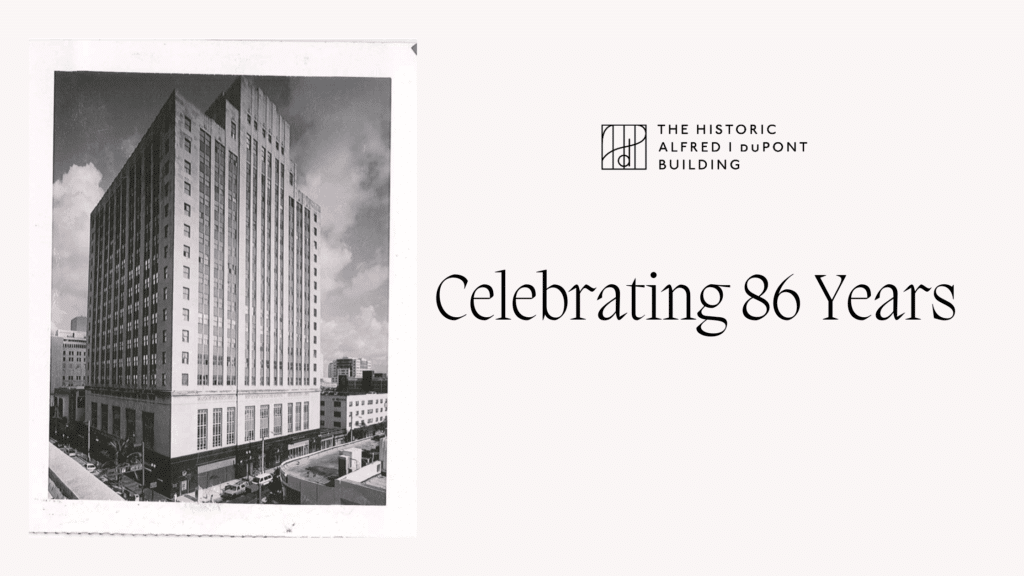
This December, the Historic Alfred I. duPont Building Miami celebrates 86 years as one of Miami’s most enduring architectural landmarks. More than a building, it represents vision, resilience, and timeless grandeur. Here, history and modern luxury meet in unforgettable ways.
A Vision Born in a Defining Era
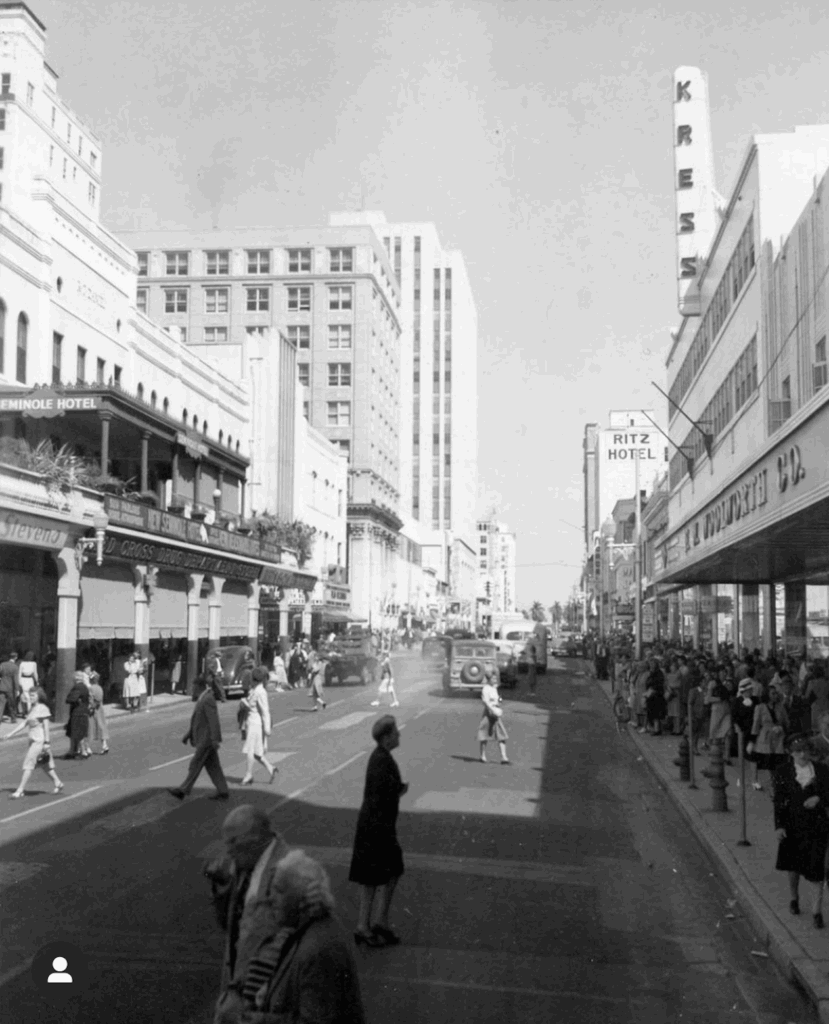
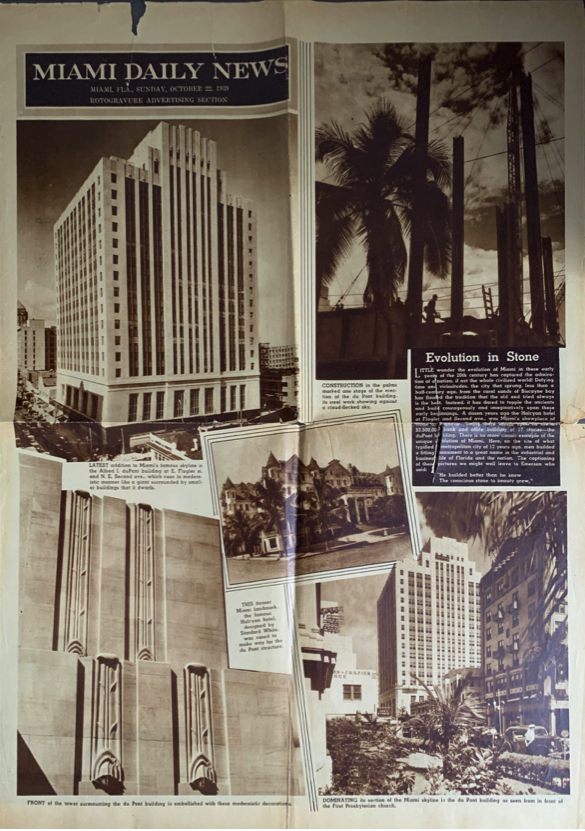
Long before the building became an icon of downtown Miami, the site held the storied Halcyon Hotel, a 1906 hostelry whose romantic past mirrored the city’s early ambitions. By the early 1930s, as the nation faced the Great Depression, the duPont family—already influential through banking, land development, and industry—envisioned something greater for Miami’s future.
That vision took form under Alfred I. duPont and his son-in-law, Ed Ball. They believed Miami was destined to become a world-class city. Their commitment culminated in the construction of a 17-story masterpiece designed not simply as a bank, but as a statement of confidence, permanence, and optimism during uncertain times.
Opening Day: October 1939 at the Historic Alfred I. duPont Building Miami
When the Alfred I. duPont Building opened on October 22 and 23, 1939, it did so with celebration and optimism. Along Flagler Street, the building stood out instantly. Built with Wisconsin limestone and Alabama black granite, it became a powerful presence in Miami’s growing skyline.
Miami newspapers described the interior as nothing short of breathtaking, a sentiment that endures to this day.
Artistry in Every Detail
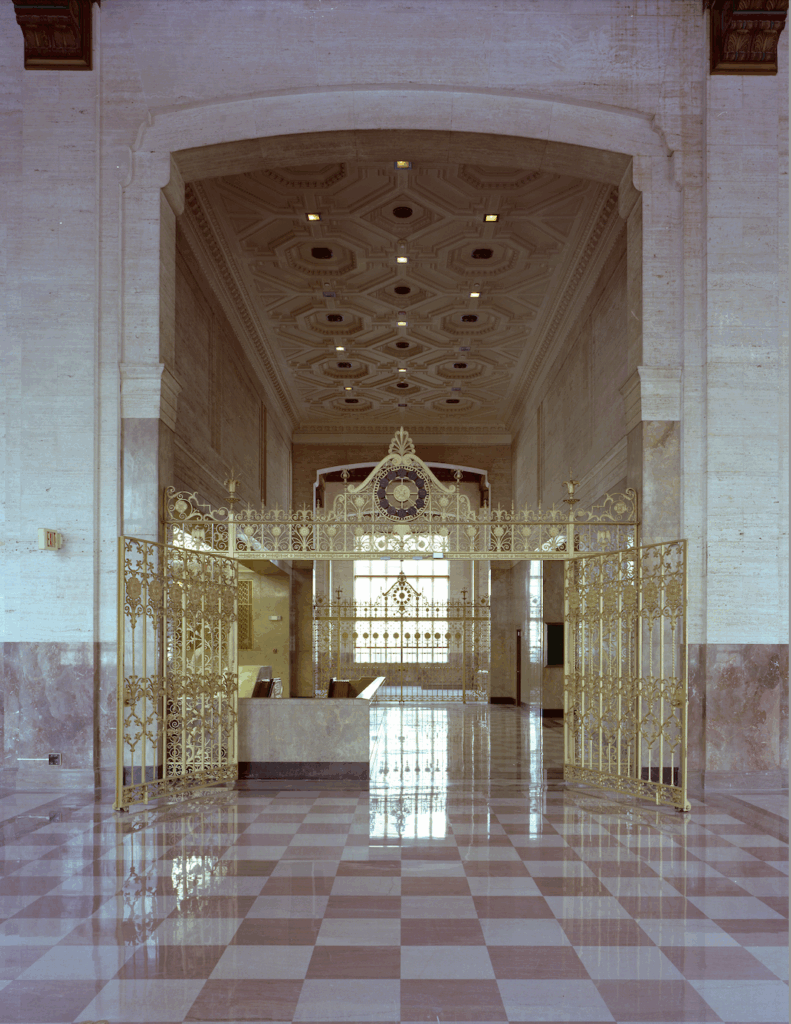
The building is one of Miami’s finest examples of Depression Moderne architecture. The style is related to Art Deco, but more refined and understated. Designed by architects William Mulford Marsh and Harold Saxelbye, the structure blends multiple stylistic influences into a refined whole—luxury expressed with purpose rather than excess.
Inside, Tennessee marble floors, ornate metal gates, and sculptural elevator doors showcase exceptional craftsmanship. Flamingos, palm fronds, and South Florida motifs appear in bas-relief brass, grounding the building firmly in its sense of place.
Above it all, the crown jewel awaits.
The Iconic Ceiling Inside the Historic Alfred I. duPont Building Miami
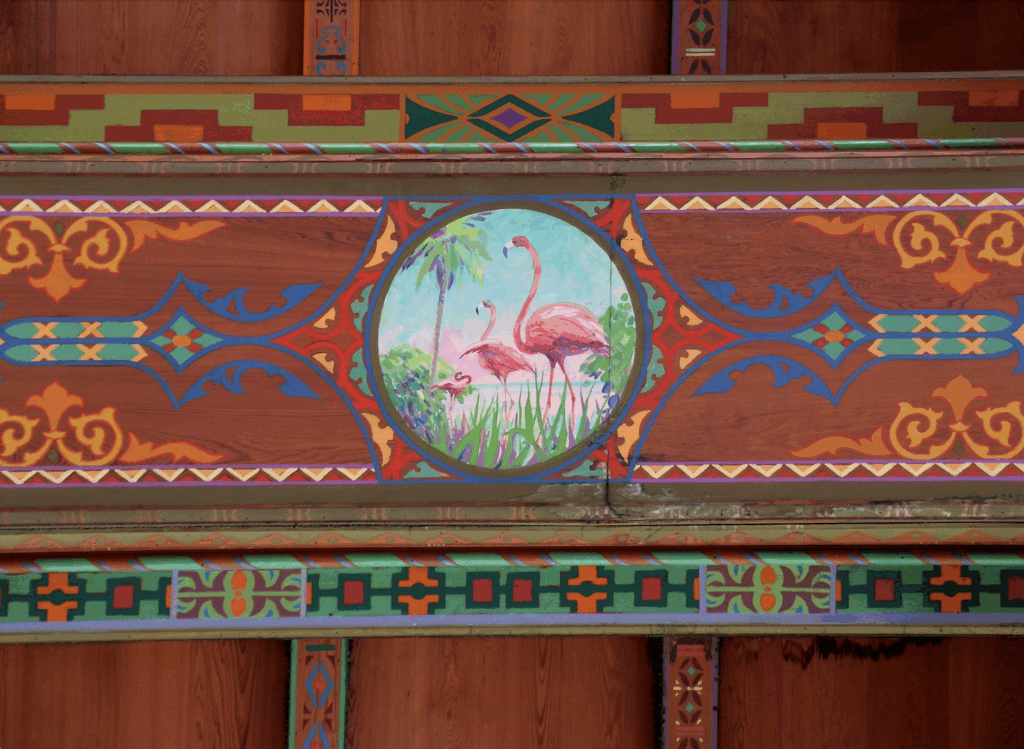
Rising 36 feet above the former banking hall is a remarkable feature: a hand-painted cypress ceiling with 124 scenes from Florida history. Created by artist Harold Hilton, with assistance from Miami painter Joseph Globish, the ceiling transforms the space into both gallery and time capsule.
From early explorers and indigenous peoples to sweeping landscapes of primitive Florida and The Bahamas, the artwork invites guests to look upward—and backward—into the stories that shaped the region. It remains one of the most awe-inspiring features of the building, now serving as a dramatic backdrop for celebrations below.
A Building That Served a Nation
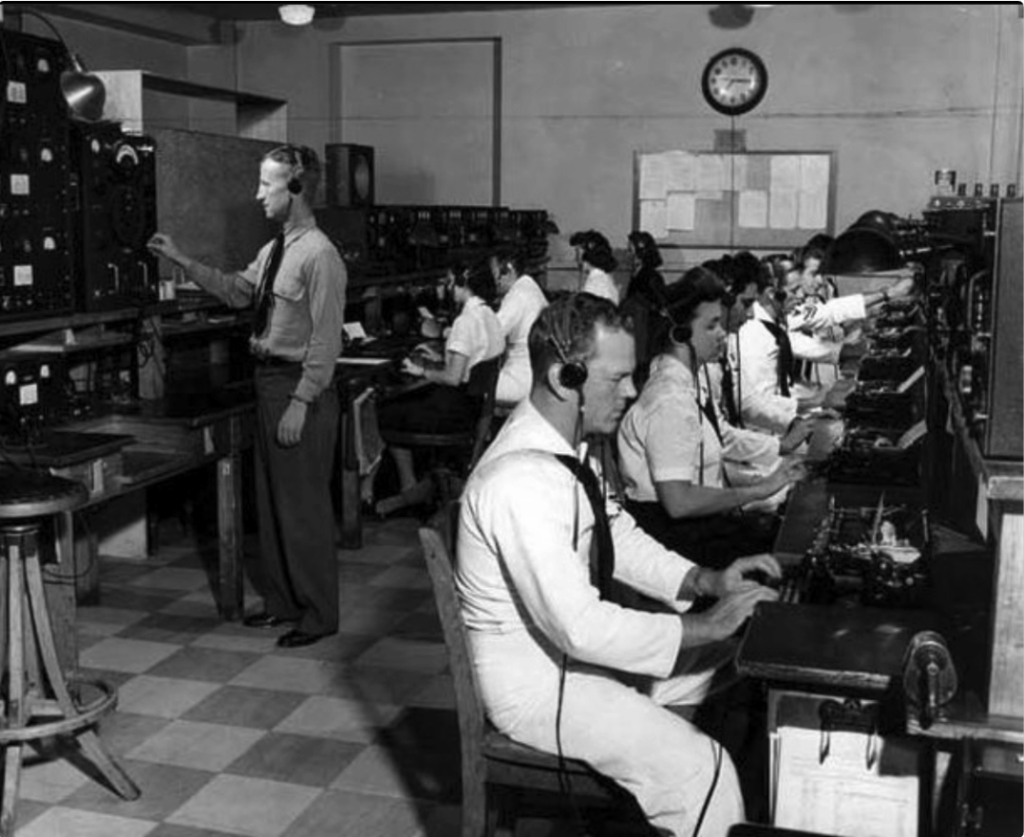
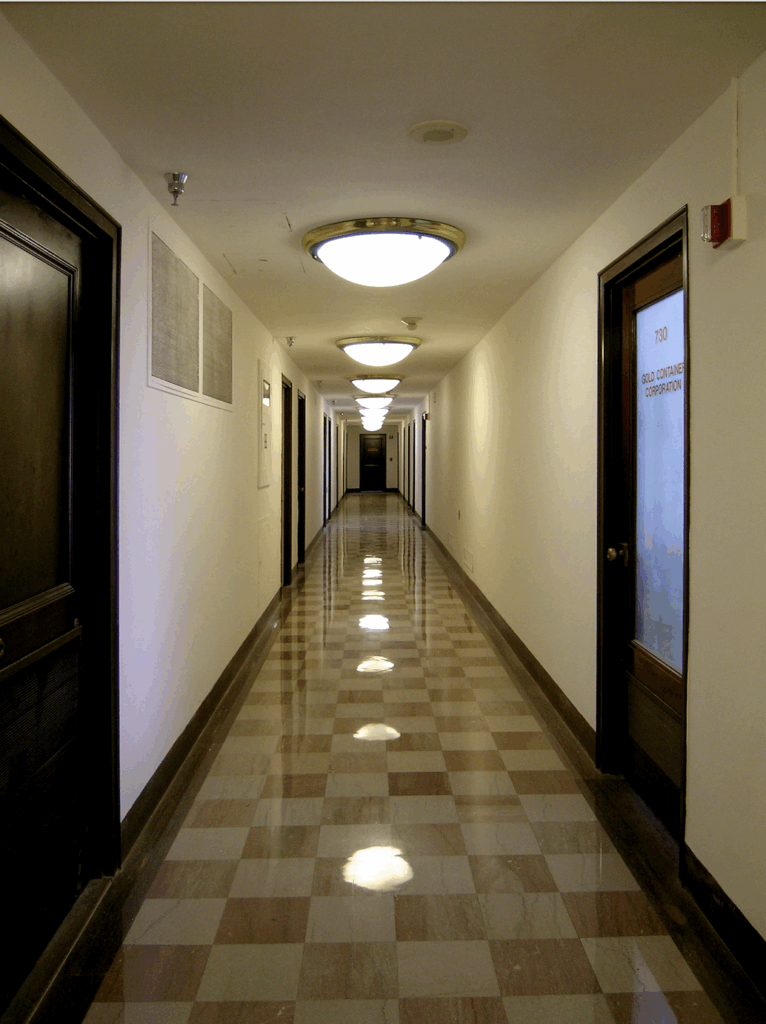
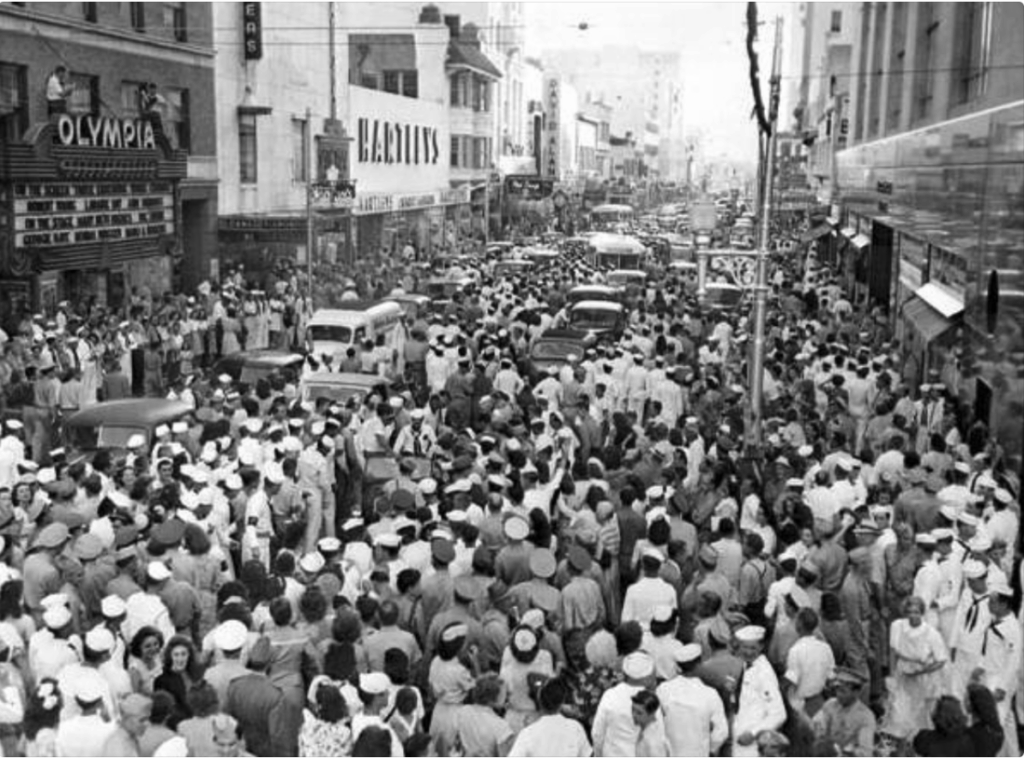
Just a few years after opening, the duPont Building entered another historic chapter. In 1942, during World War II, the U.S. government assumed control of much of the building, transforming it into headquarters for the Navy’s Gulf-Sea Frontier and the Seventh Naval District.
From these offices, military leaders coordinated operations protecting the Gulf of Mexico and Atlantic waters at a time when German U-boats threatened Florida’s coast. Known colloquially as the “U.S.S. Neversink,” the building quietly played a vital role in America’s wartime efforts—its true impact only revealed years later.
Reinvention Through the Decades
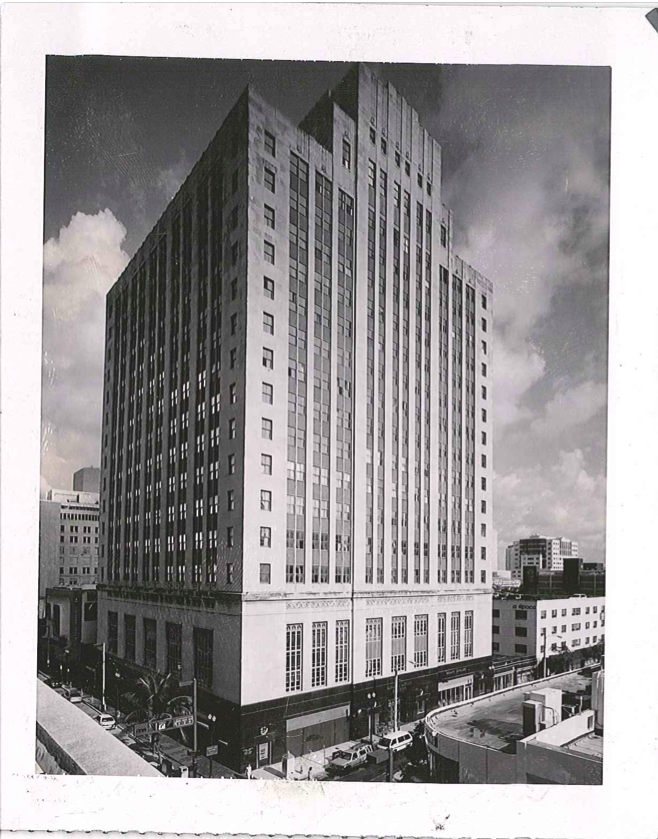
As Miami evolved, so did the duPont Building. Following post-war shifts in commerce and the rise of new business districts, the building faced periods of uncertainty. Yet its story never ended—only paused.
In 1992, the building entered a new chapter under the stewardship of Carlos Lindenfeld and later his grandson, Gary Ressler. Through thoughtful restoration and significant investment, the building’s architectural integrity was preserved while modern systems were carefully integrated. From exterior restorations to climate control and elevator modernization, each improvement honored the past while preparing the space for the future.
From Banking Hall to Celebrated Venue
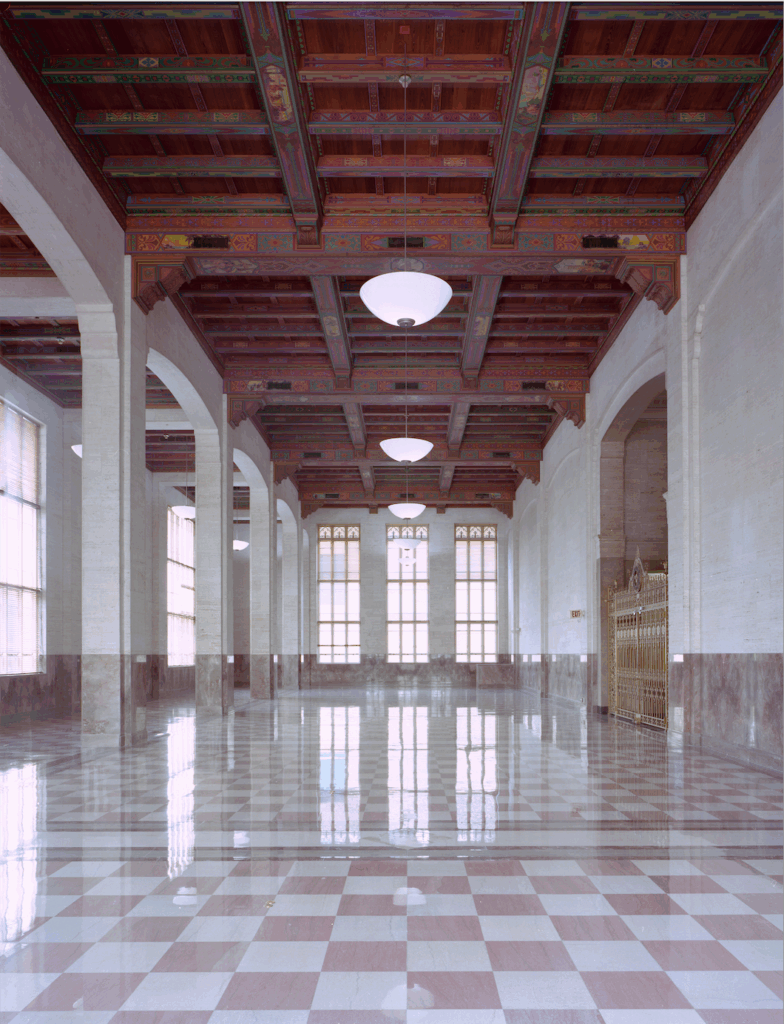
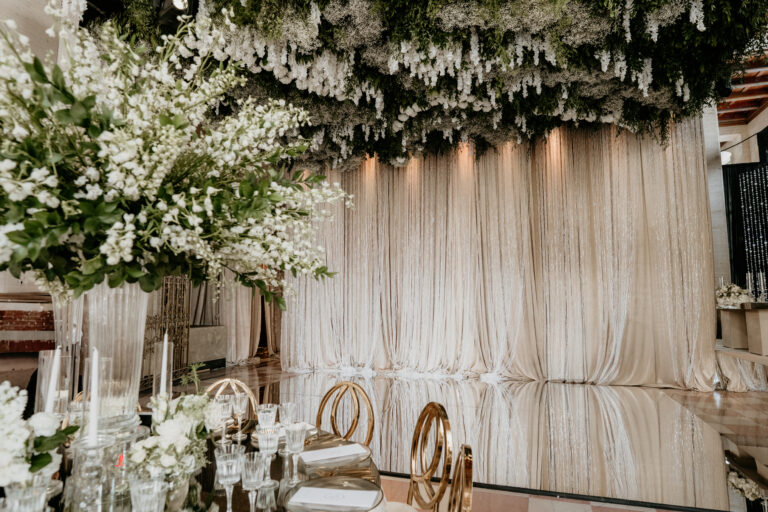
Perhaps the most remarkable transformation came when the grand former banking floors—once silent, vault doors closed—were reimagined as an event space. Today, these fully restored halls host weddings, corporate events, galas, and milestone celebrations.
With soaring ceilings, gilded gates, historic vaults, and a setting rich with narrative, the space offers something truly rare: authentic grandeur with modern flexibility. Today, the venue accommodates up to 300 guests indoors, providing a setting that feels both monumental and intimate.
A Living Landmark
Eighty-six years after its debut, the Historic Alfred I. duPont Building stands renewed. It is not a relic, but a living landmark. It continues to welcome new stories, new celebrations, and new generations beneath ceilings painted nearly a century ago.
As we celebrate this milestone anniversary, we honor not only the visionaries who built it, but also those who have preserved it—and the couples, families, and organizations who continue to give it life.
The past is etched into every detail. The future is written here every day.
Happy 86th Anniversary to The Historic Alfred I. duPont Building.